
Choosing the right office chair is more important than many people realize. A good office chair can significantly impact your productivity, comfort, and overall health, especially for those who spend long hours at their desks. As remote work becomes more common, understanding what to look for in an office chair is essential. This guide will help you navigate the world of office chairs, ensuring you find the best seat for long-lasting comfort.
Understanding Office Chair Ergonomics
What is Ergonomics?
Ergonomics is the science of designing workspaces and equipment to fit the needs of the user. In the context of office chairs, ergonomics focuses on creating a chair that supports your body in a way that minimizes strain and discomfort. Proper ergonomic design encourages good posture, reduces the risk of musculoskeletal disorders, and enhances productivity.
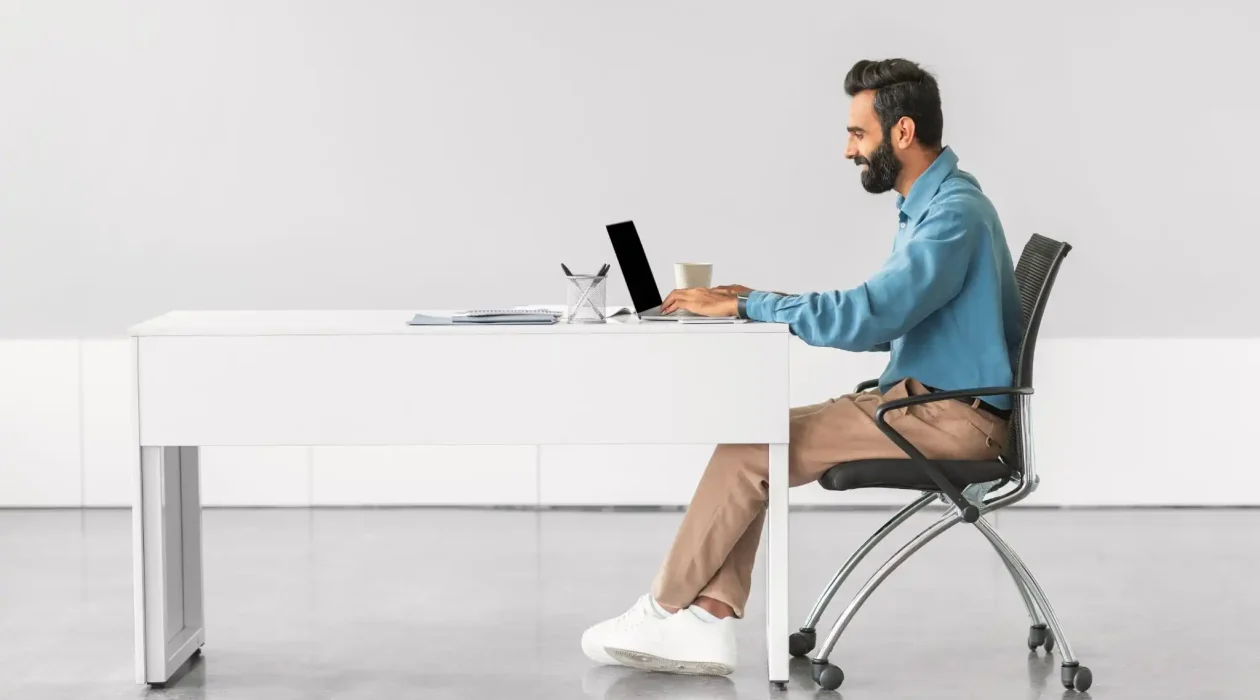
When you sit in an ergonomic chair, it should feel natural and comfortable. Your feet should rest flat on the floor, your knees should be at a right angle, and your back should be supported. Investing in an ergonomic office chair can help you avoid fatigue and discomfort, allowing you to work efficiently for longer periods.
Key Ergonomic Features to Look For
When shopping for an office chair, several key ergonomic features can enhance your comfort. First, look for adjustable height settings. This feature allows you to customize the chair’s height to suit your desk and body size. Ideally, your chair should allow your feet to rest flat on the ground with your knees slightly lower than your hips.
Another important aspect is lumbar support. A good office chair should provide support for the lower back to maintain the natural curve of your spine. Adjustable armrests are also crucial; they should be at a height that allows your arms to rest comfortably without straining your shoulders. Additionally, consider the seat depth and width. A well-sized seat will support your thighs without causing pressure points.
Types of Office Chairs
Task Chairs
Task chairs are designed for flexibility and mobility, making them ideal for short-term work. They are lightweight and often feature basic ergonomic adjustments, such as seat height and tilt. Task chairs are perfect for those who move around frequently or need a simple chair for occasional use. While they may lack some of the advanced features of more expensive chairs, they provide adequate support and comfort for shorter periods.
These chairs are often used in collaborative spaces or by individuals who require a chair that can adapt to various tasks. They are typically more affordable, making them a suitable option for businesses with tight budgets or for home offices where versatility is essential.
Executive Chairs
Executive chairs offer a more luxurious option for those who spend extended hours at their desks. These chairs are generally larger and more heavily padded, providing a comfortable seating experience. Executive chairs often come with features like high backs, premium materials, and advanced adjustments. This design not only provides comfort but also conveys a sense of authority and professionalism.
The added support and cushioning of executive chairs make them ideal for individuals who experience discomfort in standard task chairs. They often include features such as lumbar support and adjustable armrests, promoting good posture and comfort during long workdays.
Ergonomic Chairs
Ergonomic chairs are specifically designed to promote proper posture and reduce strain. These chairs often come with a range of customizable features to suit individual needs. Ergonomic chairs typically include adjustable lumbar support, seat depth adjustments, and various armrest settings. This adaptability makes them suitable for a wide range of body types and preferences.
Investing in an ergonomic chair can significantly improve your overall comfort and productivity. These chairs are designed to support your body’s natural alignment, which can help prevent discomfort and fatigue during long hours of work. If you are serious about your comfort and health, an ergonomic chair is an excellent choice.
Gaming Chairs
While gaming chairs are primarily marketed to gamers, they also have features that make them suitable for office use. These chairs often have high backs, ample cushioning, and adjustable features similar to ergonomic chairs. The design is intended to provide comfort during extended periods of sitting, making them a popular choice for those who work long hours at their desks.
Gaming chairs usually come in vibrant colors and styles, appealing to a younger audience. However, their ergonomic features and adjustability make them a viable option for anyone seeking comfort at their workstation. Just be sure to choose a gaming chair that offers the necessary support for long-term use.
Choosing the Right Office Chair
Assessing Your Needs
Before purchasing an office chair, it’s important to assess your specific needs. Consider how many hours you typically spend sitting each day and what tasks you will be doing. If you are primarily engaged in sedentary work, investing in a high-quality ergonomic chair might be worthwhile. On the other hand, if you only need a chair for occasional use, a task chair may suffice.
Think about your personal preferences as well. Do you prefer a firmer seat, or do you like a softer cushion? Understanding your needs will help you choose a chair that you will be comfortable in for long periods. It’s also beneficial to test chairs in person if possible, as comfort can be subjective.
Size and Fit
Finding the right size and fit is crucial for comfort. An office chair should accommodate your body type and provide adequate support. To ensure a proper fit, measure your desk height and your own height before shopping. When sitting in the chair, your feet should rest flat on the ground, and your knees should be at a 90-degree angle.
Additionally, consider the seat width and depth. A seat that is too narrow can cause discomfort, while one that is too wide may not provide enough support. Ideally, you should have a couple of inches between your knees and the edge of the seat to prevent pressure on your thighs.
Material Considerations
The material of your office chair can affect both comfort and durability. Common materials include mesh, leather, and fabric. Mesh chairs are breathable and promote airflow, making them great for warm environments. They often provide good support while keeping you cool.
Leather chairs, on the other hand, offer a more luxurious feel and are generally easier to clean. However, they may not be as breathable as mesh options. Fabric chairs can come in various colors and textures but may require more maintenance to keep them clean. When choosing a material, consider your personal preferences and the level of maintenance you are willing to commit to.
Enhancing Comfort with Accessories
Seat Cushions
If you find your chair lacks comfort, adding a seat cushion can make a significant difference. Seat cushions come in various shapes and materials, designed to provide additional support and alleviate pressure points. Memory foam cushions mold to your body, offering personalized comfort, while gel cushions provide a cooling effect.
Investing in a quality seat cushion can enhance your sitting experience, especially during long work hours. Look for a cushion that fits your chair well and has a non-slip bottom to keep it in place.
Lumbar Support Products
Lumbar support is essential for maintaining good posture and reducing back strain. If your chair doesn’t provide adequate lumbar support, consider using an external lumbar support product. These devices are designed to fit snugly against your lower back, promoting a natural curve and preventing slouching.
Many lumbar support products are adjustable, allowing you to customize the level of support according to your needs. This simple addition can make a world of difference, ensuring you remain comfortable throughout your workday.
Armrest Pads
Armrest pads are another useful accessory that can improve comfort. If your chair’s armrests are too hard or poorly designed, adding cushion pads can provide extra support. These pads help relieve pressure on your arms and shoulders, promoting a more relaxed sitting posture.
Final Thoughts on Office Chair Selection
Choosing the right office chair is an investment in your health and productivity. With the right chair, you can create a comfortable workspace that promotes good posture and reduces discomfort. Remember to consider ergonomic features, size, and materials when making your decision.
Take your time to assess your needs and test different chairs, ensuring you find the perfect fit. Investing in a quality office chair can make a significant difference in your daily comfort and overall well-being. With the right chair, you’ll be able to focus on your work without the distraction of discomfort.
FAQs
What is the best office chair for long hours?
The best office chair for long hours is typically an ergonomic chair with adjustable features, lumbar support, and a comfortable seat. These chairs are designed to promote good posture and reduce strain.
How often should I replace my office chair?
It’s generally recommended to replace your office chair every five to seven years, depending on wear and tear. If you notice discomfort or the chair no longer supports you properly, it may be time for a new one.
Are expensive office chairs worth the investment?
Expensive office chairs often come with better materials, advanced ergonomic features, and longer warranties. Investing in a quality chair can lead to improved comfort and productivity, making it a